
Planetarium Job Leads To NASA Career
Tyler Lane loves the laser shows he used to host in the MSUM planetarium.
“It was a rock concert in there with the lights and the sound,” he says.
The 2014 graduate started working in the planetarium after taking an astronomy class as an MSUM undergrad. He had been drawn to astronomy and space sciences from an early age and thought it would be rewarding to study those interests.
The planetarium expanded his ability to do that.
“It’s a fancy movie theatre where you’re capturing the imagination of things out in the cosmos,” he says.
Lane trained to lead sessions for the astronomy courses, but soon was asked to help out with the public shows.
The experience was particularly valuable when he moved away from studying astronomy and decided to focus more on physics. He remembers when the planetarium updated its projection style. The new technology gave him the ability to better control images during presentations.
Lane sees the planetarium as a tool for passing on knowledge in a visual format. While it can be entertaining, it’s all about teaching. And that tool can be used for something besides astronomy. The planetarium’s technology means that chemistry students could use the space to examine molecules and biology students could use it to learn about cells.
“We’re all under the same sky,” he says. “(Working at the planetarium) proved I still had a passion for space and astronomy,” he says. “It kept my spirit, my fire alive.”
That fire is alive and well today. Lane went on to earn a graduate degree in electrical engineering. But he pushed and applied himself to launch a career with NASA.
Tyler's journey with NASA started small and grew fast. He came in as a Pathways Intern in January 2017, working in the Software, Robotics, and Simulation Division, where he helped build the power distribution unit for a habitable airlock prototype, wired new lighting for ARGOS (a facility at Johnson Space Center that simulates reduced gravity), and got hands-on with an early cable robot.
That internship turned into a full-time Electrical Engineer role that August, one he held for six and a half years. During that stretch he worked on some of the division's signature projects: the Habitable Air Lock and its pressurized rear storage component, the Dexterous Manipulator Testbed robotic arm, and testing coordination for ARGOS.
In 2024 his role shifted from hands-on engineering to running things. As Technical Assistant, he kept the branch moving, coordinating interns, managing project budgets, and handling the daily logistics that let engineers focus on the work. For two months in early 2025 he stepped up as acting Deputy Chief while the branch chief was out.
Now, as Acting Electrical Lead and Facility Engineer, he oversees electrical work across the branch and is training to become a test director for unmanned vacuum chamber testing.
In eight years, he's gone from installing lights on a test rig to leading the electrical side of a NASA branch.
Make Sure Your Story Is Heard
Let us know how your life has been changed by being a Dragon: tell us your Minnesota State Moorhead story today!
Send Us Your StoryMore Stories from Dragons
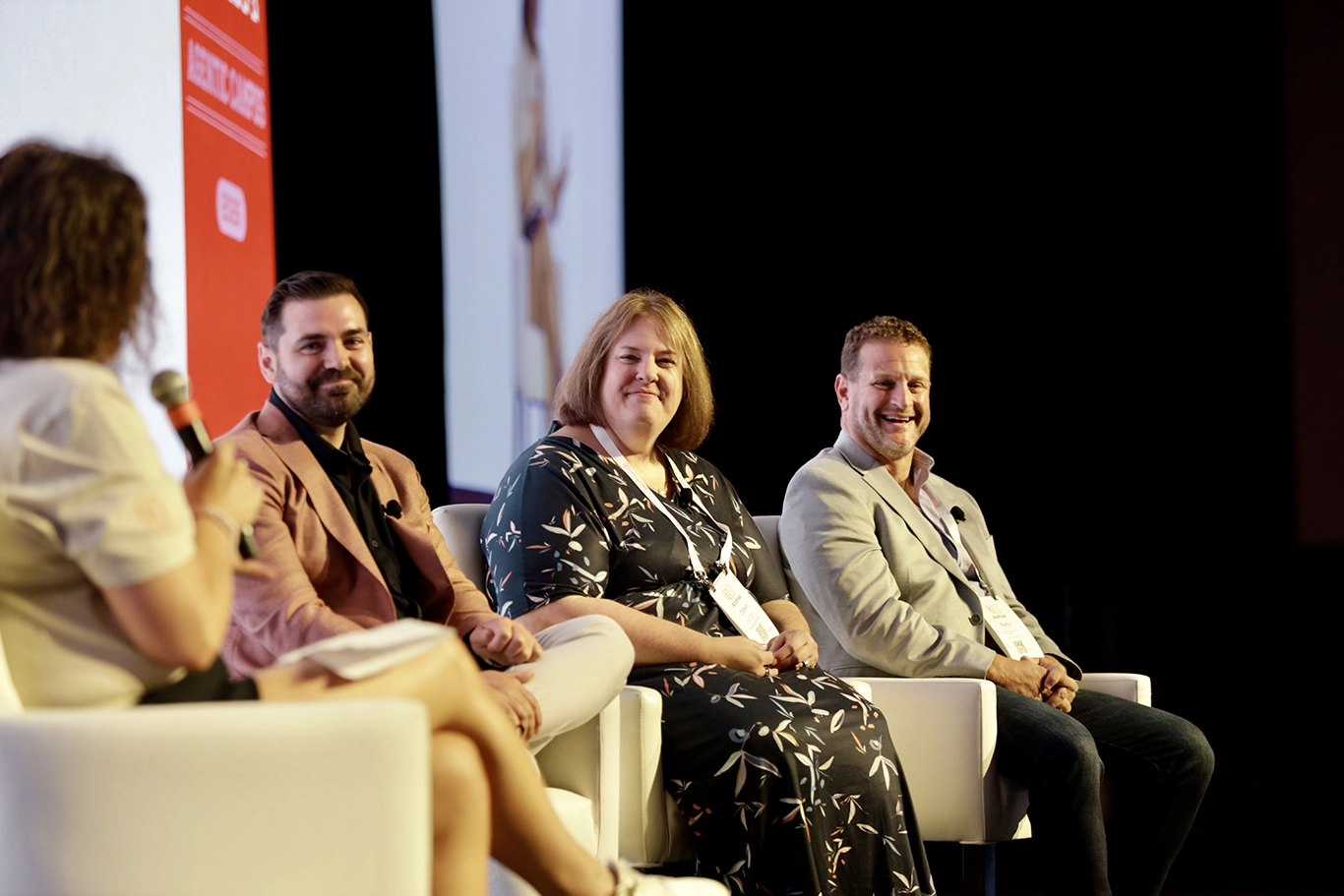
Moorhead’s AI efforts receive national recognition
MSUM received the first-ever AI Innovation Award at the Engage Summit 2026 for its AI literacy framework.
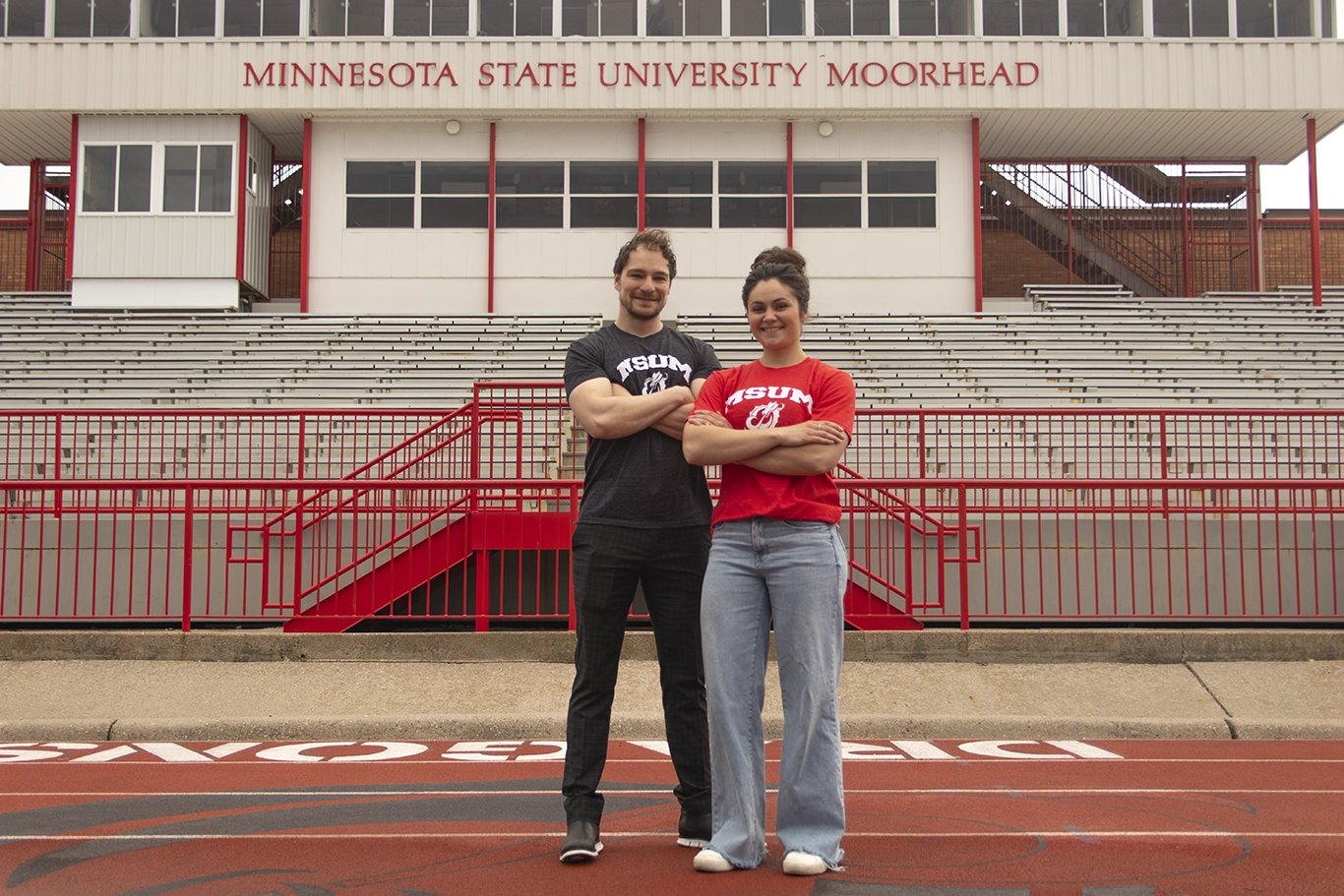
The Ripple Effect
Tobias and Rachel Boegel carry on lessons learned at MSUM to create healthy opportunities for their community.
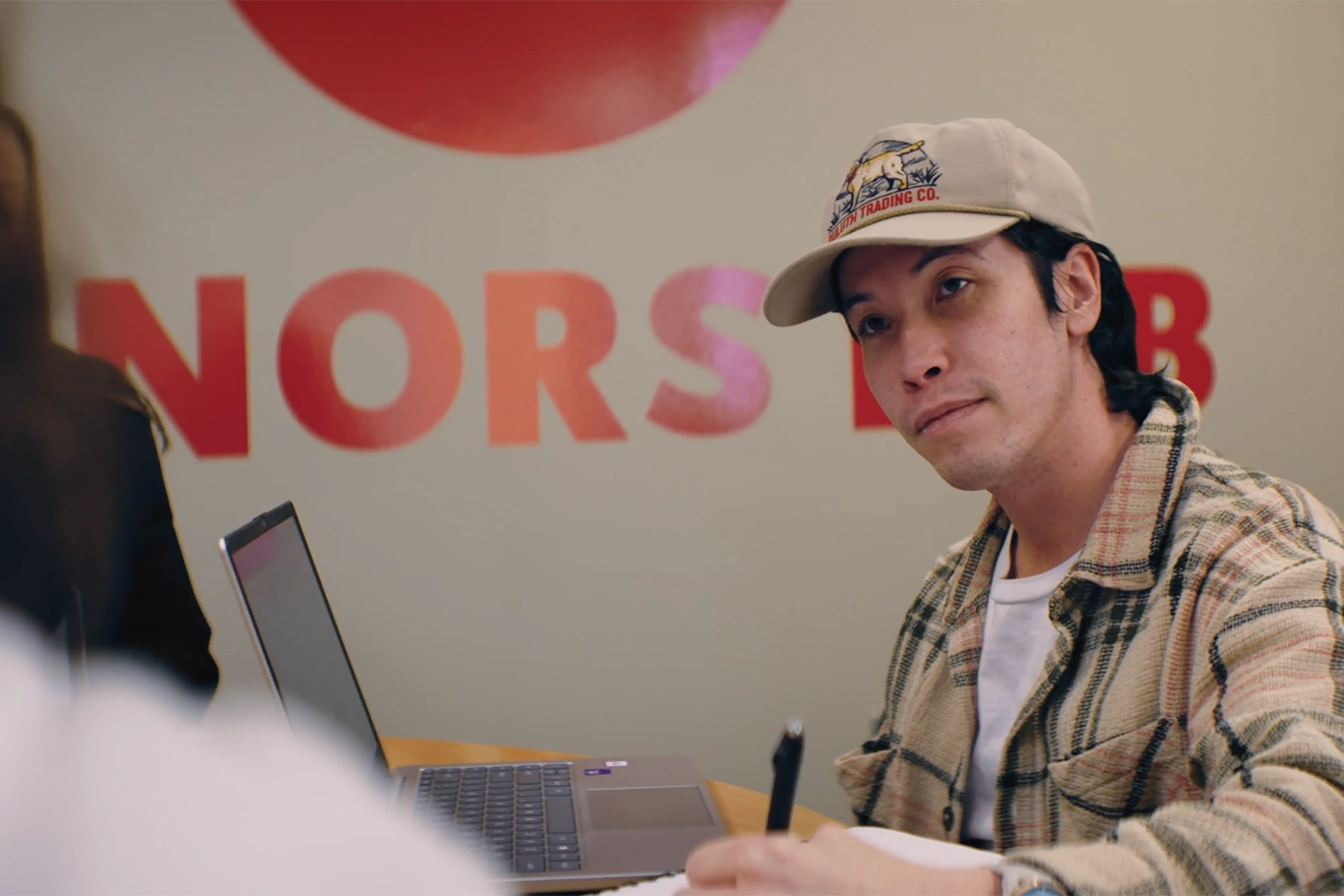
Honors College launches with 300 students
Minnesota State Moorhead's inaugural Honors College class launches with 300 students. The curriculum focuses on meaningful work, interdisciplinary courses, and a mentorship program.